One system. Two halves that need each other.
A custom edge-compute node reads the chassis bus directly; a real-time routing engine turns that stream into decisions a shop and a driver can both act on.
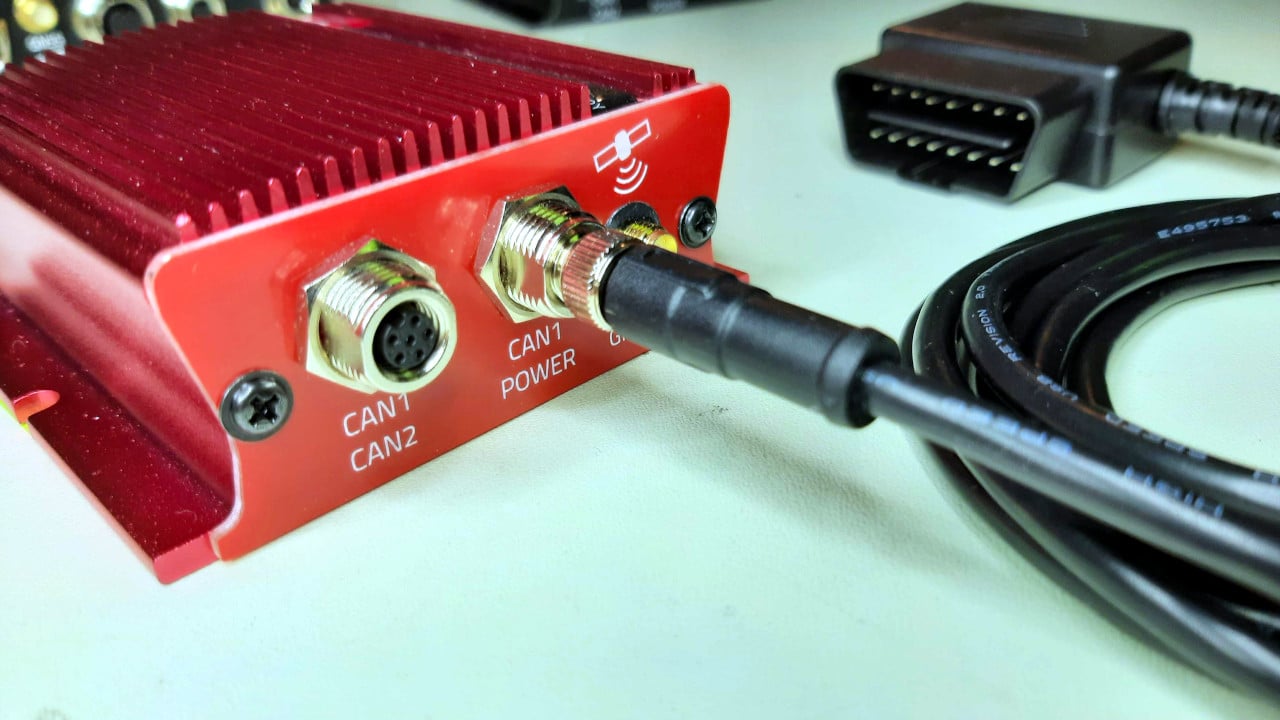
We start where the data actually is.
Not the restricted OBD-II port — the chassis bus itself, intercepted with a 26-pin harness that installs without splicing a single wire.
Inspect either half.
Toggle between the physical intercept and edge-compute layer, and the platform and API architecture it feeds.
Chassis CAN intercept
Custom Rev D gateway nodes and a 26-pin intercept harness bypass the restricted OBD-II port to read raw chassis telemetry directly off the bus.
Edge intelligence & processing
Low-latency firmware parses, filters, and structures high-frequency CAN bus streams on-device, then transmits securely over cellular or a local SoftAP link.
Non-invasive deployment
Engineered for fast installation in customer vehicles with no wire splicing and no voided factory warranties — so a shop can roll units across its whole customer fleet.
Service bay dashboard
Shop owners and lead technicians get a real-time overview of customer vehicle health — automatically turning incoming DTCs and sensor trends into high-margin repair orders.
Plain-English driver portal
Translates complex fault codes and CAN bus telemetry into clear, visual health reports for car owners — full transparency, and long-term trust in the shop.
Cloud & API infrastructure
A high-throughput backend — FastAPI, Supabase data pipelines, automated SMS alerting — paired with a responsive React/Vite frontend for instant telemetry rendering.
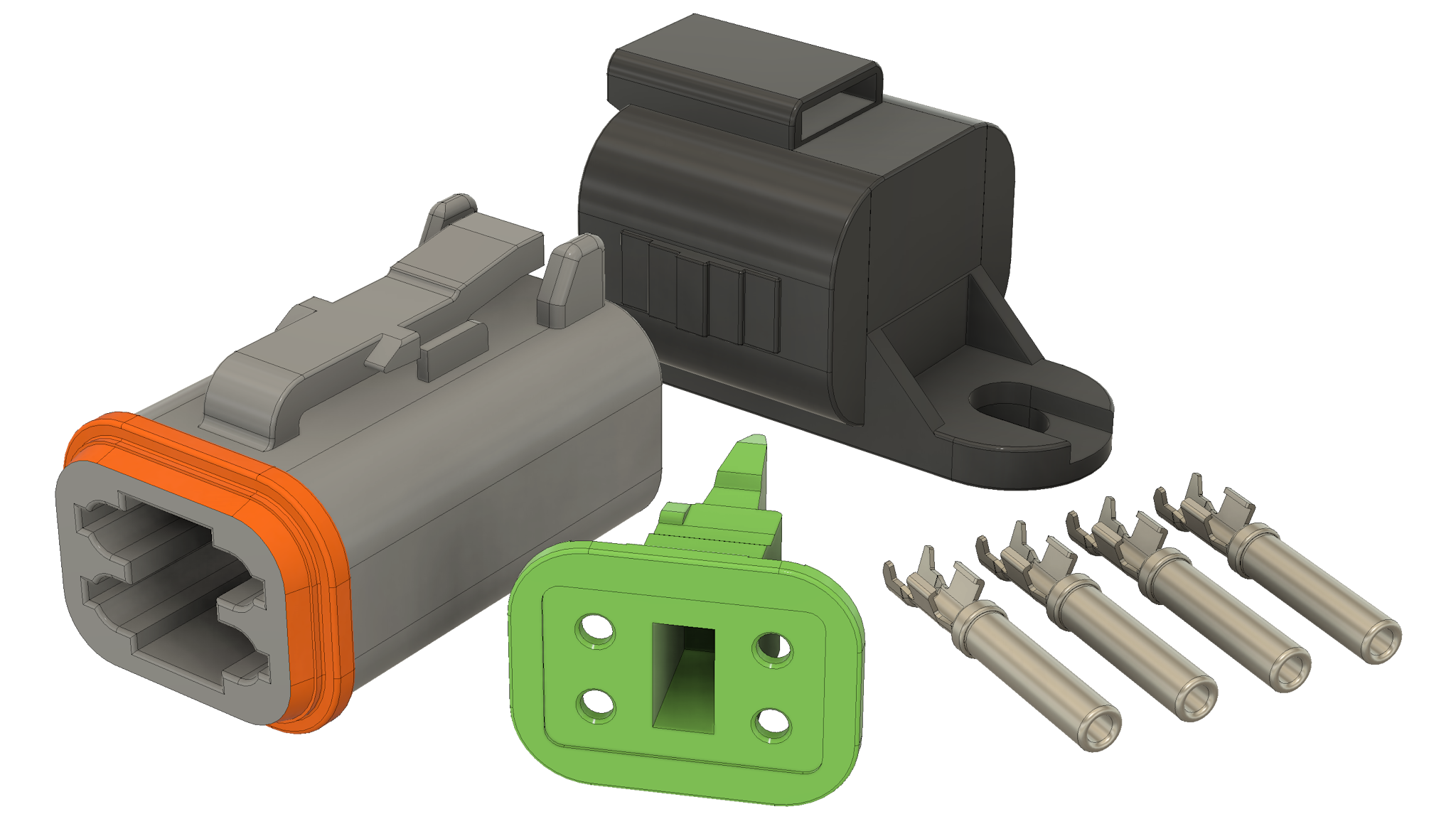
Fifteen minutes, no splices, no warranty risk.
The intercept harness sits inline with the factory connector. Nothing is cut, nothing is soldered, and the vehicle returns to stock the moment the node is removed.
That matters commercially as much as technically: a shop can deploy across a customer fleet without asking anyone to accept a modification to their vehicle.